
Geriatric Care Management
for Older Adults
Personalized guidance, care coordination, and advocacy for older adults and families navigating changing health or cognitive care needs.
Helping older adults and families navigate complex medical, hospital, rehabilitation,
and long-term care decisions.

Why Families
Choose
Sunset Senior Concierge
Natasha Hilts, LCSW, Certified Dementia Care Specialist has more than 15 years of experience in healthcare navigation, care coordination, caregiver support, dementia care, crisis intervention, and complex medical systems.
Geriatric Care Management
What Does A
Care Manager
Actually Do?
A geriatric care manager serves as a professional advocate and coordinator for older adults and their families.
Think of a care manager as someone who helps connect the dots between doctors, hospitals, rehabilitation facilities, home health providers, community resources, and family members.
Families often reach out after a hospitalization, during a rehabilitation stay, when dementia symptoms emerge, or when multiple providers and family members need coordination and communication.
For example, after a parent is hospitalized following a fall, a family may be unsure whether rehabilitation, home health, assisted living, or returning home is the safest option. A care manager can gather information, coordinate communication with providers, and help the family understand available options.
Care management complements - but does not replace - medical or home health services.
When Families
Typically Call
After a Hospitalization
An older adult experiences a fall and is admitted to the hospital. Family members are unsure what to ask, what services will be needed after discharge, or whether returning home is realistic.
Adult Children Live Out of State
A daughter lives in Pennsylvania while her father lives in Florida. She wants to help but cannot attend appointments or monitor changes in health and safety.
Multiple Medical Providers
A loved one sees cardiology, nephrology, neurology, primary care, and home health. Important information is scattered across providers and multiple electronic health records (EHRs) while family members struggle to keep everyone informed.
Dementia or Cognitive Changes
A family begins noticing memory concerns, medication errors, safety issues, or increasing caregiver stress.
Common Services Include
Coordination of medical appointments & provider communication
Helping families understand available care options
Collaboration with primary care & speciality providers
Organizing medical records, patient portals, and healthcare information
Resource identification & service coordination
Crisis response planning & stabilization support
Monitoring changes in health, safety, and support needs over time
Transportation to and from medical appointments, when provided as a part of care management or medical escort services
You May Benefit
From Care Management If…
A recent hospitalization or rehabilitation stay has created uncertainty
Family members disagree about next steps
You need help understanding long-term care options
A loved one wishes to remain independent at home
Multiple providers are involved in care
Medication regimens become complex
Adult children live out of state or work full-time
Safety concerns arise in the home
Cognitive changes or dementia symptoms appear
Care coordination may include arranging transportation, accompaniment to appointments, and essential errand services when needed.
Additional Services That May Support Your Care Plan:
Senior Concierge Services →
Medical Escort Services →
Dementia Support →
Veteran-Focused Care Coordination →
A brief phone consultation can help determine whether care management and senior concierge services are a good fit for your family’s needs.
Is Geriatric
Care Management
Right for Your Family?
Families often reach out for care management when managing an older adult’s needs begins to require more time, coordination, or professional guidance than one person can reasonably handle alone, or situations like:
A parent’s health or cognitive needs are changing
Medical appointments and information are becoming difficult to coordinate
Family members live at a distance or cannot be present for every appointment
A hospitalization, rehabilitation stay, or change in living situation has created new decisions
Caregivers are feeling overwhelmed or unsure what should happen next.
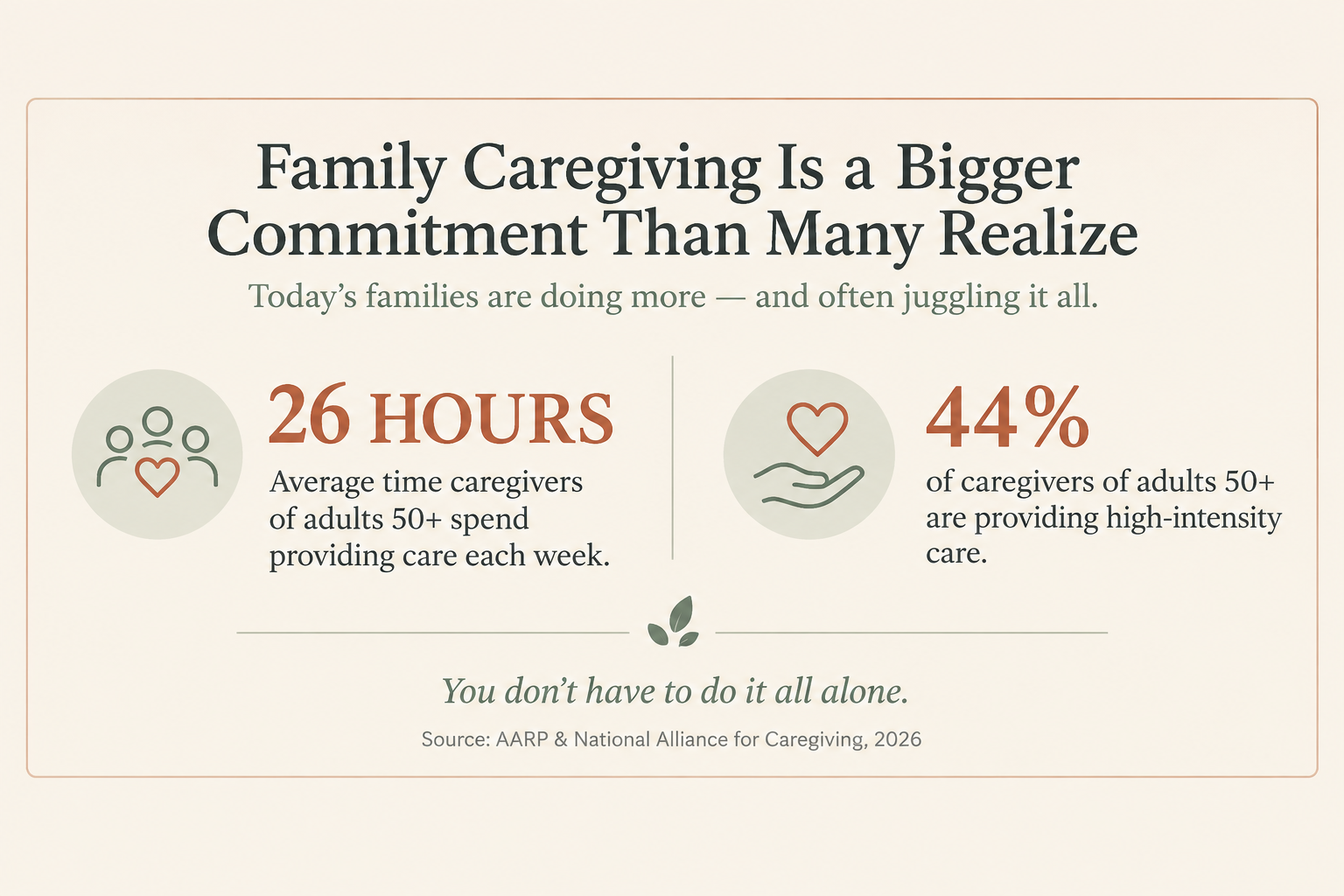
Caregiving can become a substantial responsibility → care management provides professional coordination and guidance, while allowing you to focus on work, immediate family obligations, or self-care.
Getting Started
Every care management relationship begins with a Comprehensive Care Management Assessment.
During the in-home visit, we'll take the time to understand your goals, current challenges, health concerns, home environment, support system, and any immediate priorities. Following the assessment, I’ll provide recommendations and discuss the level of support that best fit your needs.
After the assessment, you'll receive:
A personalized written summary
Professional recommendations and prioritized next steps
Home safety observations
Community resource recommendations
Ongoing care management options, if desired
Ready to Get Started?
Call and speak directly with Natasha Hilts, a Licensed Clinical Social Worker (LCSW) and Certified Dementia Care Specialist (CDCS)—never a call center.
Prefer to schedule a time?
Book a complimentary 20-minute consultation.